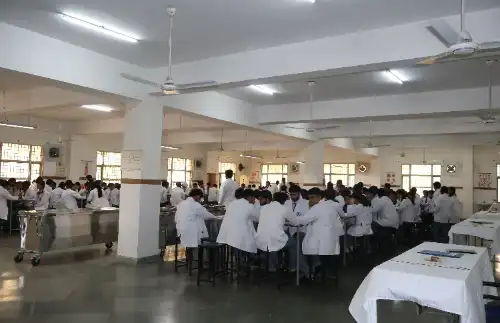
A centre of excellence for promoting a comprehensive understanding of human anatomy, innovative teaching methodologies, practical learning, and professional values.
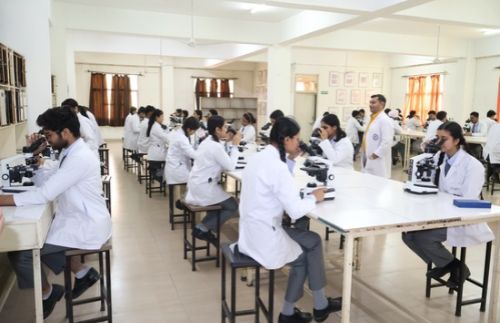
Microscopic study of human tissues and organs using slides to correlate cellular structure with organ organization.
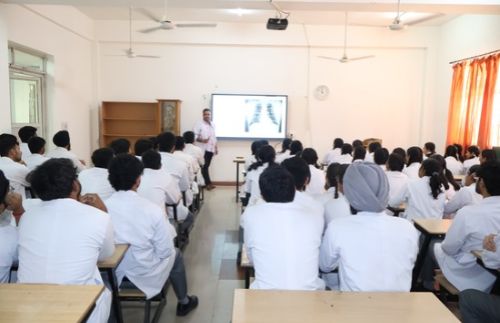
Academic setting for demonstrations, small-group teaching, student presentations, and interactive discussions.
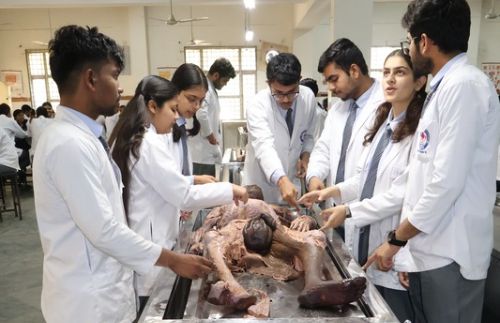
Dedicated environment for learning gross human anatomy, understanding spatial relationships, and developing 3D structural familiarity.
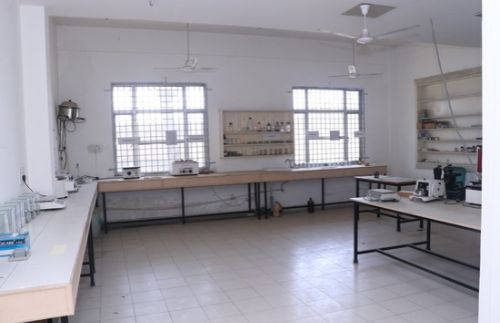
Facilitates anatomical research, practical investigations, and evidence-based learning in human development.
Digital educational materials supporting visual learning, concept development, and self-directed revision.
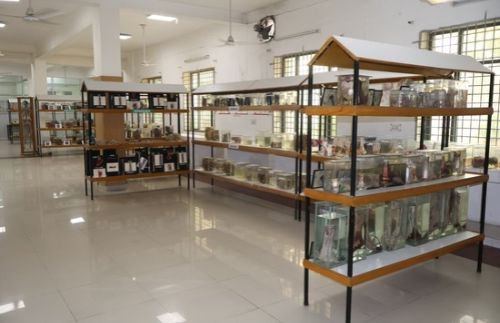
Anatomical specimens, embryology models, and charts that reinforce concepts introduced during lectures and practical sessions.
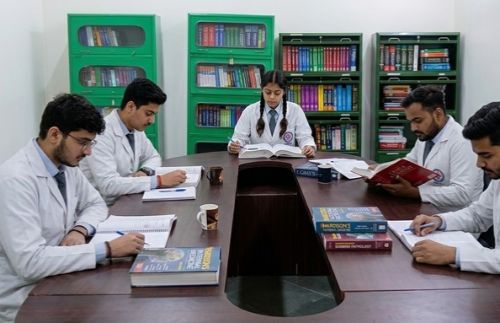
Provides students and faculty with access to anatomical textbooks, atlases, and journals for self-directed learning and exam preparation.
For information regarding the Body Donation Program, contact our toll-free helpline.
Starting PG course in academic year 2027-28